Complaints Procedure for Commercial Waste Removal Uxbridge
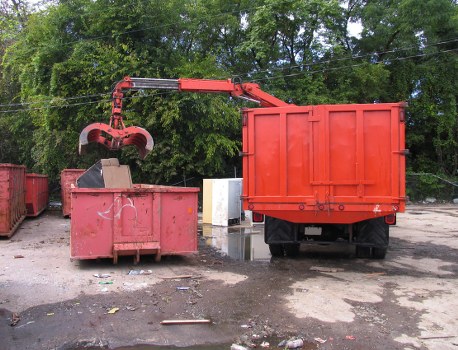 This Complaints Procedure describes how complaints about Commercial Waste Removal Uxbridge and related commercial waste services are handled. It applies to complaints about collections, disposal, invoicing discrepancies, environmental incidents and the conduct of operatives. The aim is to resolve concerns promptly, fairly and transparently while improving service delivery for all business customers in the service area.
The scope covers any reportable issue that a business or authorised representative raises about our commercial rubbish collection Uxbridge operations. Complaints may relate to missed pickups, contamination management, site access, documentation, health and safety practices, or failure to meet agreed commercial waste collection schedules. This procedure ensures that every complaint receives consistent attention and is recorded in a secure, auditable register.
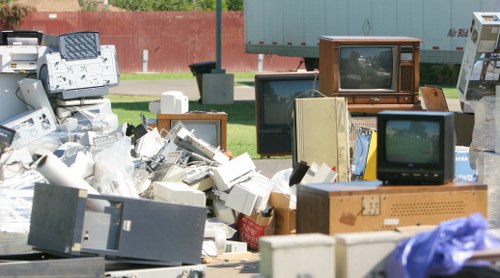 All complaints are logged on receipt and a unique reference is allocated. Acknowledgement will be issued within a stated timeframe and the complaint will be assigned to a trained investigator. The investigator will collect relevant records, including collection logs, driver reports, weighbridge tickets and permit documentation, to form a factual basis for assessment. Investigations are impartial and aim to gather evidence from all parties involved.
Principles we follow: accessibility, transparency, timeliness and continuous improvement. Complainants can expect clear communication about the process, estimates of time to resolve, and notification of escalation rights where applicable. We will not let complaints interfere with day-to-day operations but will prioritise serious incidents such as spillage, illegal disposal or health and safety breaches that pose immediate risk.
 Initial steps include verification, risk assessment and corrective actions where needed. For example, if a missed commercial waste collection is validated, we will arrange a remedial collection based on operational capacity and safety considerations. Where procedural lapses are identified, corrective measures may include staff retraining, route adjustments or process updates to prevent recurrence.
The following timeframes are typical: acknowledgement within 2 working days; preliminary investigation within 10 working days; proposed resolution within 20 working days. Complex cases requiring external data, third-party investigation or regulatory liaison may take longer; in those cases we will provide periodic status updates until the matter is closed.
How complaints are assessed
Assessment focuses on factual accuracy, risk and impact. Investigators will consider operational records, photographic evidence, CCTV if available, and witness statements. Findings will determine whether the complaint is upheld, partially upheld or not upheld. Outcomes aim to be proportionate and may include remedial collection, credit adjustments, apology, operational change or referral to senior management for further action.
When a complaint is upheld, a clear action plan will be prepared outlining what will change, responsible persons and expected timescales. Records of the remedy and verification of completion will be retained. If the complaint is not upheld, the reasons will be explained in writing, referencing the evidence considered and the standards applied.
Key steps
- Receipt and logging of the complaint
- Risk prioritisation and acknowledgement
- Investigation and evidence gathering
- Decision, remedy and communication
- Recordkeeping and review
Escalation and review
There is an internal escalation route for unresolved or recurring issues. If the initial response is unsatisfactory, the complainant may request a review by a senior manager who was not involved in the original decision. Reviews examine the investigation process, evidence and remedy to ensure fairness and consistency across commercial waste contracts and commercial rubbish removal services in the region.
 All complaint outcomes are documented and used as part of an annual review to identify trends and opportunities for improvement. Patterns such as repeated missed collections on a route, documentation errors or contractor performance issues trigger corrective programmes, including targeted training, route optimisation and supplier audits.
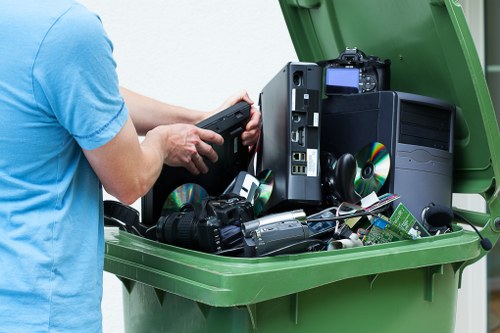 Confidentiality and data protection are strictly observed. Records are retained in accordance with regulatory and contractual requirements and are only accessed by authorised personnel. The organisation is committed to learning from complaints: decisions drive procedural changes and feed into regular management reports to maintain and enhance standards of commercial waste disposal in Uxbridge and the surrounding service area.
Conclusion: this complaints procedure for commercial waste disposal in Uxbridge and related services is intended to provide clarity, fairness and measurable improvement. We treat complaints as an opportunity to correct issues promptly and to strengthen operational performance for business customers relying on dependable commercial rubbish removal Uxbridge services.
By following the steps above — acknowledgement, investigation, proportionate remedy and documented review — we ensure that complaints lead to tangible actions and an improved service experience. Records of complaints and outcomes are part of ongoing service governance and quality assurance processes.
Policies are periodically reviewed to reflect legislative changes and evolving best practice in commercial waste management. This helps maintain a robust complaints handling framework that supports safe, compliant and reliable commercial rubbish collection across the area.
