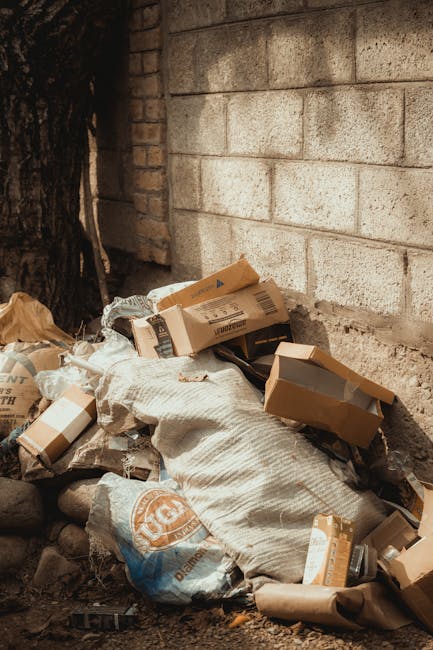
Commercial Waste Removal in Uxbridge
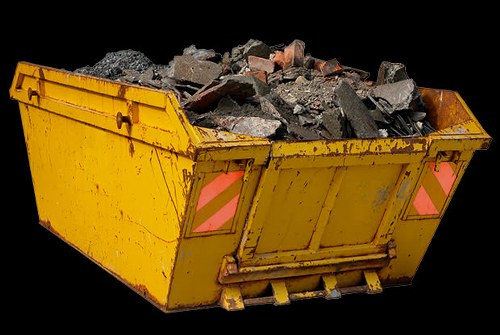
Commercial waste removal in Uxbridge for shops, offices, landlords, managing agents and other business premises should be practical, lawful and easy to plan around. Our service is built around the collection and handling of everyday trade waste, mixed non-hazardous loads, office clear-outs and site-generated rubbish that needs to be removed without disrupting work. We focus on clear communication, sensible sorting and a straightforward route from enquiry to collection, so you can arrange disposal with less uncertainty and more control.
We can help with recurring business waste removal as well as one-off clearances that arise after refurbishments, relocations, stock changes or an office reorganisation. Typical items may include packaging, archived paperwork for secure destruction, broken desks, shelving, IT peripherals, furniture, fixtures, and general waste that has built up over time. Where the load is suitable and permitted, we aim to separate reusable or recyclable material from residual waste so that disposal decisions are easier to understand.
To begin, use the service pages to see which type of collection best fits your premises, then request a quotation with the details that matter most: what needs removing, where it is located and whether access is straightforward. If you already know the scope, a brief description is often enough to start the process. Need a simple next step? Use the contact page when you are ready to discuss your collection.
Business waste collections planned around your premises
Many commercial jobs are easiest when they are handled as a clear, organised collection rather than as an open-ended clear-out. We work with business waste streams that are predictable enough to be collected efficiently, including office bags and bins, packaging from deliveries, storage-room clutter and regular non-hazardous rubbish from day-to-day operations. The key is to match the collection method to the type and volume of waste, rather than treating every load in the same way.
For premises that generate repeat waste, consistency matters. A collection can be arranged to suit the layout of the building, the access available and the nature of the waste itself. In practice, that means taking into account loading areas, stairwells, shared entrances and any internal movement needed to reach the items. Clear notes about access, lifting and any restricted materials make it easier to plan a collection that is efficient and suitable. Business waste removal is the right place to start if you need an overview of the commercial collection service itself.
Office and workspace clearances
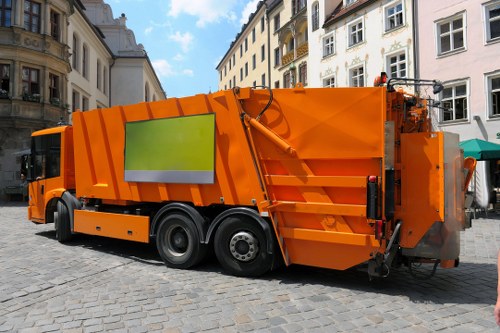
Office clearances often involve more than just desk furniture. They may include filing cabinets, shelving, monitors, printers, keyboards, mixed office furniture, archive boxes and general clutter left behind after a move, merger or internal reconfiguration. Our approach is to remove what is no longer needed in a controlled way, with attention to access routes, item weight and any material that needs special handling because it cannot go in ordinary general waste.
When a workspace is being cleared, useful planning can reduce delays. It helps to identify items that will stay, items that should be moved first and anything that needs separate treatment, such as confidential paperwork or electrical equipment. A short list is often enough to create a workable collection plan, especially where the space contains a mixture of furniture and smaller loose items. If you need support for a workplace that is being emptied or reorganised, office clearance explains the service in more detail.
For larger offices or multi-room premises, the collection can be broken into sensible stages so the work remains manageable. That may mean clearing one floor at a time, separating reusable furniture from waste, or prioritising items that are blocking normal operation. The aim is not to overcomplicate the job but to make removal feel structured and practical, even when there is a broad mix of items to take away.
What we can remove from commercial premises
Commercial waste often includes a broad mix of items, and that mix shapes how the collection is handled. Some loads are mostly light packaging and bagged rubbish; others contain bulky furniture, shelving or broken fixtures. In office settings, disposal may also involve small electrical items, peripherals and dismantled storage units. The more varied the load, the more useful it is to group items clearly before removal so that nothing suitable for recycling is lost in the process.
Typical waste types may be grouped for clarity:
- office furniture and storage units
- packaging, cardboard and general business rubbish
- IT peripherals and small electrical items
- fixtures and fittings from light refurbishments
- archived documents for shredding or confidential disposal
Different premises produce different waste profiles, so the most effective collection is one that fits the actual contents rather than an assumed template. Where special items are involved, such as appliances or materials that are not suitable for standard disposal, it is sensible to flag them in advance. fridge and appliance removal is useful if your load includes electrical units, while confidential shredding is relevant for paperwork that needs secure treatment.
Recycling, sorting and responsible disposal
Responsible commercial waste removal is not only about taking items away. It also depends on sorting the load sensibly so that recyclable material, reusable goods and residual waste are treated in the most appropriate way. Cardboard, certain metals, wooden furniture and selected electrical items may each follow different disposal routes depending on condition and composition. That is why the waste type matters as much as the quantity when arranging a collection.
We aim to keep the process straightforward by handling mixed commercial waste in a way that supports better separation at the point of removal. That can mean grouping recyclable material together, identifying items that should be treated separately and avoiding unnecessary contamination of the rest of the load. Simple sorting before collection often improves the overall efficiency of the job, especially where the premises contain a combination of office waste, packaging and bulky items. For customers wanting a fuller explanation of handling and sustainability considerations, recycling and sustainability sets out the wider approach.
Not every item is suitable for the same route, and some loads require additional care because of their size, condition or contents. If you are unsure whether something should be included with the main collection or listed separately, it is better to mention it early. That avoids surprises on the day and helps keep the removal focused on the correct material. In many cases, the simplest answer is also the best one: clear the non-hazardous waste first, then decide whether specialist handling is needed for the rest.
Pricing factors and quotation details

Commercial waste removal quotations are usually shaped by a small number of practical factors. Volume is one, because a larger load generally takes more time and vehicle space than a smaller one. Access is another, since collections from upper floors, basements, back-of-house areas or shared entrances can involve additional handling. The type of waste also matters, especially where sorting, segregation or specialist disposal is needed.
When requesting a quotation, it helps to describe the items rather than using only a broad category. Saying that a room contains desks, chairs, archive boxes and several bagged loads gives a more useful picture than simply calling it an office clearance. Good descriptions support a more accurate estimate and make it easier to match the collection to the actual job. If you would like to see how quotes are handled, pricing and quotes provides the relevant starting point.
You do not need to overprepare. A clear summary, a few notes about access and any item that needs separate treatment are usually enough to begin. If the job is urgent or staged over several visits, say so plainly, because timing and sequencing can affect the shape of the collection. We keep the enquiry process focused on the practical details that help turn a description into a workable plan.
Office moves, refurbishments and end-of-tenancy clear-outs
Commercial waste removal is often required at a point of change. Businesses relocate, refurbish, downsize or hand back premises, and each of those situations can create a mix of items that need to leave the building in an orderly way. The collection may involve only excess furniture and packaging, or it may include larger quantities of mixed waste following a reconfiguration of the space. Either way, the important thing is to remove what is no longer needed without complicating the handover.
End-of-tenancy and project-based clear-outs benefit from a simple sequence. First, identify what remains in use. Next, separate items that are to be reused, sold or retained. Finally, arrange collection for the waste and unwanted fittings. That approach keeps the process controlled and reduces duplication, especially where several people are involved in the move or closure. If your project also includes heavier items, builders waste clearance may be relevant where the load contains refurbishment debris rather than ordinary office waste.
Where the space includes mixed furniture, loose packaging and leftover materials, it is often easier to arrange one coordinated clearance than several separate collections. The benefit is not just convenience; it also helps keep disposal decisions consistent. The more clearly the contents are defined, the easier it is to choose the correct route for each part of the load and avoid unnecessary disruption to the premises.
About Uxbridge
Uxbridge is a historic town in the west of Greater London, within the London Borough of Hillingdon, and it has long served as a market centre and transport junction for the surrounding area. The town grew from an early settlement on routes linking London with the west, and its development was shaped by the Grand Junction Canal, later renamed the Grand Union Canal, which strengthened trade and movement through the district. The canal still forms part of the local character, especially around the waterside stretches and the linear routes that follow its course. Uxbridge also became known for its association with coaching and later rail and road travel, with the town centre adapting over time from older commercial streets to a more modern mix of retail, civic and business uses. Historic features remain visible in places such as St Andrew’s Church and a number of surviving older buildings around the core of the town, while the wider area includes suburban streets, educational facilities and the River Colne corridor. The town sits close to open land and public green spaces, including nearby parkland and riverside walks, which give it a more varied landscape than a dense inner-London district. Uxbridge’s identity combines its older market-town roots with twentieth-century growth, and that blend can still be seen in its architecture, street pattern and public spaces.
Hazardous items and specialist waste

Not every business waste load can be handled in the same way. Some materials need specialist attention because of their contents, condition or regulatory treatment. That can include certain chemicals, contaminated items, or other waste streams that are not appropriate for standard mixed collection. When such items are present, they should be identified clearly before any removal is arranged so that the correct route can be considered.
For most commercial customers, the safest approach is to separate ordinary waste from anything that may fall into a specialist category. That makes the main collection more predictable and reduces the chance of unsuitable items being mixed into a general load. Accuracy at the point of description matters here, because waste that seems ordinary at first glance may later require different handling. Where your premises generate items that are not suitable for standard disposal, hazardous waste disposal is the page that explains the specialist side of the service.
If you are uncertain whether an item is ordinary commercial waste or needs separate treatment, it is better to ask before placing it with the rest of the load. That keeps the collection safe and avoids avoidable delays. A careful distinction between everyday rubbish and controlled waste helps ensure the removal remains suitable for the premises and for the material involved.
Furniture, fixtures and larger bulky items
Bulky commercial items are often the most awkward part of a clearance because they are heavy, inflexible and difficult to move through narrow or shared spaces. Office chairs, desks, cabinets, shelving and reception furniture may all need dismantling or careful handling before they can be removed. In some premises, the main challenge is not the weight of a single item but the way several large pieces fit together in a room or corridor.
Where furniture forms part of a wider clearance, it is usually best to decide whether the items are to be removed as waste or treated separately because they could be reused or donated. That decision can affect both the collection plan and the disposal route. furniture disposal covers the removal side, while furniture clearance is useful when a larger set of items needs to go in one organised job. The same principle applies to appliances and mixed bulky waste, where careful identification makes the process simpler.
For larger pieces, access and protection of the surrounding space can be as important as the removal itself. Tight staircases, shared lobbies, reception areas and finished flooring may all influence how the job is completed. A well-planned collection reduces avoidable damage and keeps the premises usable while the work is underway, which is especially helpful in occupied buildings.
Booking, access and practical preparation

A useful enquiry usually includes the kind of waste, its approximate volume and any access detail that could affect the collection. Photos can help, but even without them, a clear description of the items and the layout is often enough to start. If the collection has to pass through shared entrances or busy working areas, mention that too, because access affects timing and handling. The aim is to make the process specific enough to avoid guesswork.
Where several rooms are involved, it can help to note which areas are to be cleared first and whether anything should remain in place. That is particularly relevant for office and business premises where the waste sits alongside equipment still in use. A practical plan reduces confusion on the day and keeps the collection focused on the correct material. If you are ready to arrange your job, contact us to request a quotation and discuss the collection in more detail.
Before collection, separate any items you want to keep, mark anything fragile or awkward, and make sure the waste can be reached safely. These are small steps, but they make a noticeable difference to how smoothly the work goes. If your premises need regular removals, the same habits help create a reliable routine rather than a last-minute clear-up each time waste starts to accumulate.
What makes a commercial collection straightforward
The smoothest commercial waste removals are usually those where the waste has been identified clearly, the access is understood and the customer knows which items are part of the job. That does not mean the job needs to be perfectly sorted in advance, only that the broad shape of the collection is clear. Mixed office waste, furniture and packaging can often be handled together if the load is described accurately.
It is also helpful to think about what outcome you want from the collection. Some customers simply want waste gone so the room can be used again. Others need the premises left ready for cleaning, redecoration, handover or new stock. Defining the outcome helps shape the scope, especially where the work involves several types of item or a building with more than one occupied area. For smaller commercial clear-outs, the general service page waste removal gives a broader view of the core collection service.
When you are ready, keep the request simple and specific. Say what needs to go, where it is and whether there are any constraints. That is usually enough to move from an initial enquiry to a practical quotation. A short, direct request is often the quickest route to arranging the right kind of removal for your premises.